The Distinction Between Cutting and Removing Trees
Caring for trees is an essential part of maintaining a healthy landscape. Understanding the difference between tree trimming and removal can help you make informed decisions about your outdoor space. While both services involve managing trees, their purposes, methods, and implications differ significantly. Whether you’re looking to enhance your property’s aesthetics or ensure safety, knowing when to trim versus remove a tree is crucial for any homeowner.

Purpose and Goals of Tree Trimming
Tree trimming focuses on enhancing the health and appearance of trees. This process involves cutting away dead or overgrown branches to promote new growth and improve light penetration. Regular trimming helps maintain the structural integrity of the tree and can prevent potential hazards caused by falling branches.
When Tree Removal Is Necessary
In certain situations, tree removal becomes essential. This service involves completely taking down a tree when it poses a danger to property or people. Sometimes, diseased trees or those causing obstructions may need to be removed. The decision to remove should always consider factors like disease spread, tree age, and proximity to structures.
Techniques Involved in Tree Trimming
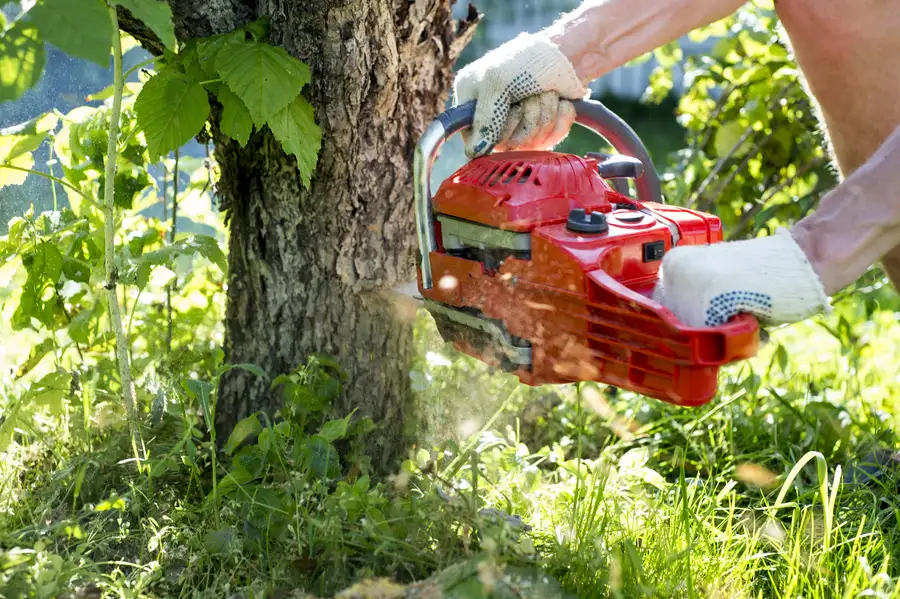
Tree trimming utilizes various techniques such as thinning, raising, and reduction. Thinning involves removing select branches to increase sunlight and air circulation within the canopy. Raising refers to trimming lower branches to clear pathways and improve sightlines. Reduction reduces the height or width of the tree to accommodate surrounding utilities or structures.
Tree Removal Processes Explained
The process of tree removal requires careful planning and execution. It typically involves cutting down the tree in sections, starting from the top. Safety precautions are crucial during this process to avoid damage to nearby structures or landscaping. Hiring professional arborists ensures that the job is done safely and efficiently.
Benefits of Routine Tree Maintenance
Maintaining your trees through regular trimming offers numerous advantages. Healthy trees provide shade, reduce energy costs, and enhance curb appeal. Regular care also prevents pest infestations and prolongs the life of your trees. Furthermore, well-maintained trees contribute positively to the environment by improving air quality.
Challenges Faced During Tree Management
Certain challenges arise when managing trees, such as identifying disease symptoms early or dealing with overgrowth near power lines. Another common issue is determining whether a tree needs trimming or complete removal due to its condition or location.
- Disease detection before it spreads
- Managing growth near infrastructure
- Balancing aesthetics with functionality
Expert Tips for Effective Tree Care
To ensure optimal tree health, follow these best practices:
- Inspect trees regularly for signs of disease or decay
- Trim during dormant seasons to minimize stress
- Hire certified arborists for complex jobs
- Avoid heavy pruning which can harm older trees
- Utilize mulch around tree bases to retain moisture
Understanding Cost Implications of Tree Services
The cost of tree services varies based on several factors such as size, accessibility, and urgency. Trimming is generally less expensive than removal since it involves less labor and equipment. However, neglecting necessary maintenance can lead to higher expenses if emergency removal becomes necessary.
Your Partner for Quality Tree Services
If you require assistance with your trees, we’re here to help. Our team at Crestwood Tree Care specializes in comprehensive tree care solutions tailored to your needs. Contact us at (310) 488-0583 for professional guidance and reliable service in Inglewood, CA. We look forward to helping you create a safer and more beautiful environment.